
How to Pay Affiliates: Payment Methods, Timing, and Tools for Scaling
- 13 mins
Launching an affiliate program is exciting. Paying affiliates? Usually not.
As your program grows, so does the complexity behind every payout. What starts as a handful of commissions can quickly turn into a monthly process of validating sales, calculating earnings, checking discount codes, approving commissions, and making sure everyone gets paid correctly.
Without the right system, those routine tasks can eat up hours of your team’s time – and even small mistakes can damage trust with your affiliates.
Fortunately, affiliate payments don’t have to be complicated.
This guide explains how to create a payment process that’s accurate, efficient, and scalable, so your affiliates get paid on time and your team spends less time buried in spreadsheets.

Choosing the Right Affiliate Payment Model
Pay-per-sale: Commission for every completed purchase
Pay-per-sale is the most common affiliate payment model, especially for ecommerce brands. Under this model, affiliates earn a commission whenever a customer they refer completes a purchase.
Because commissions are tied directly to revenue, this approach is low risk for brands and highly scalable. It also encourages affiliates to focus on driving high-intent traffic that is more likely to convert, making it a win-win for both parties.

Pay-per-lead: Commission for qualified leads
With the pay-per-lead model, affiliates earn a commission when they drive a predefined action, such as a form submission, newsletter signup, demo request, or free trial registration.
This model is most common in SaaS, finance, and other industries where acquiring a qualified lead has significant long-term value. While it’s less common in ecommerce, it can make sense for brands selling high-value products or services with longer purchase journeys, where generating a lead is an important step toward a future sale.
Performance-based incentives: Rewarding your best affiliates
Not every affiliate should earn the same commission forever. Performance-based incentives reward affiliates who consistently deliver results, helping you retain top performers while motivating others to increase their sales.
One of the most common approaches is tiered commissions, where affiliates unlock higher commission rates after reaching predefined sales or revenue milestones. This creates a clear incentive to keep promoting your brand and can increase long-term engagement.
Another option is a hybrid payment model, which combines a flat fee with performance-based commissions. This approach works well for strategic creator partnerships, allowing you to guarantee compensation while still rewarding measurable results. It can also make your affiliate program more attractive to established creators who may be hesitant to work on a commission-only basis.
Whether you choose tiered commissions, hybrid payments, or a combination of both, performance-based incentives can help you build stronger relationships with your most valuable affiliates and encourage sustained growth.
How to Set Up Affiliate Payments
Step 1: Choose your commission structure
The first decision is how you’ll reward affiliates. Your commission structure should align with your business model, profit margins, and the behaviors you want to encourage.
The three most common approaches are:
| Commission structure | How it works | Best for |
|---|---|---|
| Flat rate | Affiliates earn a fixed amount for every conversion. | Brands with similarly priced products or fixed customer acquisition costs. |
| Percentage-based | Affiliates earn a percentage of each sale. | Most ecommerce brands, as commissions scale with order value. |
| Tiered | Higher commission rates unlock after affiliates reach specific sales milestones. | Brands looking to reward top performers and encourage long-term growth. |
For most ecommerce businesses, percentage-based or tiered commissions offer the strongest incentives. Percentage commissions encourage affiliates to drive higher-value orders, while tiered structures reward consistent performance and help retain your best partners.
When deciding on commission rates, start with your margins. A sustainable commission should be attractive enough to motivate affiliates while leaving room for your business to remain profitable.
Step 2: Define your payout schedule
Next, decide when affiliates should receive their commissions.
Common approaches include:
• Minimum payout threshold: Pay affiliates once they’ve earned a minimum balance, such as $50.
• Payment delay: Release commissions after a set period (for example, 30 days) to account for returns and cancellations.
• Hybrid: Combine both a payment threshold and a waiting period.
A structured payout schedule reduces transaction costs and helps avoid paying commissions on refunded or disputed orders. At the same time, your payment terms should remain fair and transparent – long delays or unrealistic payout thresholds can discourage affiliates from joining your program.

Step 3: Track affiliate sales accurately
Accurate tracking is the foundation of every affiliate program. Without it, you can’t calculate commissions or pay affiliates correctly.
Most brands track referrals using:
• Unique discount codes
• Affiliate links with UTM parameters
Whatever tracking method you use, make sure every sale can be matched to the correct affiliate before commissions are approved. As your program grows, manual reconciliation quickly becomes impractical, which is why many brands use affiliate software to automatically connect referral data with completed orders.
You’ll also need clear attribution rules that define which affiliate earns the commission when multiple creators influence the same purchase. Equally important is your attribution window, which determines how long after an affiliate click a sale remains eligible for commission.
Step 4: Choose how you’ll pay affiliates
Once commissions are approved, you need a reliable way to send payments.
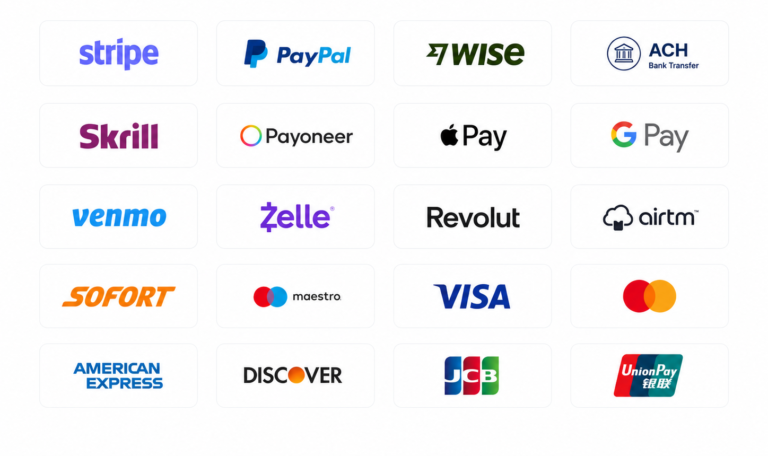
The most common payment methods include:
• PayPal
• Bank transfer
• Stripe
• Affiliate payment platforms
The right option depends on factors such as your affiliates’ locations, payment volume, transaction fees, and the level of automation you need. If you’re managing dozens or hundreds of affiliates, dedicated payment software can significantly reduce administrative work by automating payouts, compliance, and tax documentation.
Step 5: Automate invoicing where possible
Manual invoicing creates unnecessary work for both brands and affiliates. Chasing invoices, correcting errors, and answering payment questions can quickly become a monthly administrative burden.
If you’re managing payments manually, establish clear invoicing guidelines, communicate payment timelines, and define an approval process to minimize delays. As your affiliate program grows, automated invoicing through affiliate management software can eliminate much of this back-and-forth while improving the payment experience for everyone involved.
Step 6: Keep accurate payment records
Maintain a complete record of every commission, payment, adjustment, and refund.
A detailed payout history makes it easier to resolve disputes, reconcile accounts, prepare tax documentation, and provide affiliates with transparency into their earnings.
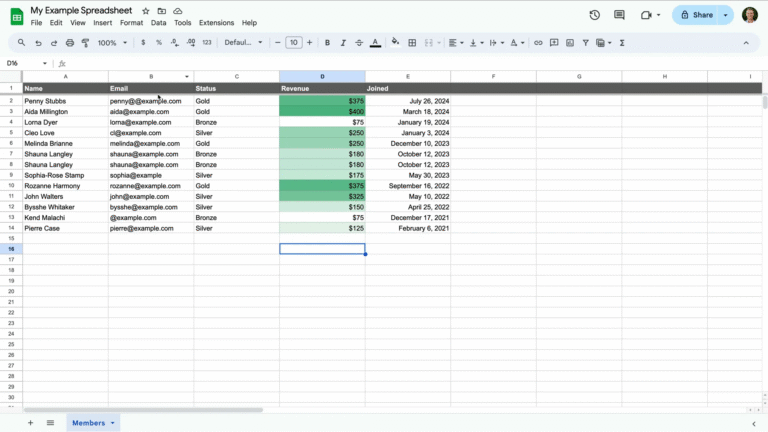
While spreadsheets may be sufficient for small programs, growing affiliate teams typically benefit from software that automatically maintains payment histories and outstanding balances in one place.
What's the best affiliate payment schedule?
There isn’t a universal rule for affiliate payment frequency, but monthly payouts are the most common approach.
For many brands, paying affiliates once a month strikes the right balance between administrative efficiency and keeping partners happy. It gives teams enough time to verify commissions, account for returns or cancellations, and process payments in batches instead of handling them continuously.
A consistent payment schedule also sets clear expectations. When affiliates know exactly when they’ll be paid, they’re less likely to follow up about outstanding commissions, and finance teams can budget and process payouts more efficiently.
That said, the right payment frequency ultimately depends on your business. Some programs pay weekly to attract high-volume affiliates, while others pay every two weeks or only after a minimum payout threshold has been reached. The key is to choose a schedule you can maintain consistently and communicate it clearly to your affiliates.
Legal and tax compliance
Tax and legal requirements for affiliate payments vary widely depending on where your business and your affiliates are based, so there’s no single process that works for everyone.
In many countries, you’ll need to collect certain information from affiliates before you can pay them, such as their legal name, address, tax details, or business information. Some jurisdictions also require businesses to report affiliate payments or withhold taxes, while others place those responsibilities on the affiliate.
A common approach is to work with affiliates as independent contractors or registered businesses. This allows affiliates to invoice your company, manage their own tax obligations where applicable, and factor taxes and operating costs into their pricing.
Because regulations differ across countries, it’s worth reviewing your local requirements – or consulting a tax or legal professional – to ensure your affiliate payment process is compliant from the start.
We Make The Difference.
GoMarketish Team