
5 Ways to Pay and Reward Influencers
- 11 mins
If I had to sum up the question “How should you pay influencers?” in a few words, it would be simple: pay creators fairly while making sure your investment makes sense for your brand.
Finding the right compensation structure can be challenging, especially if you’re new to influencer marketing. The right approach depends on your campaign goals, budget, the creator’s audience, and the type of content you want them to produce.
Here are 5 common ways to compensate influencers:
1. Flat-rate payments: Agree on a set fee for the content the influencer creates, whether that’s a single post, video, Story, Reel, or a larger content package.
2. Affiliate commissions: Give creators a unique link or discount code and pay them a percentage of the sales or conversions they generate.
3. Performance bonuses: Offer a guaranteed base payment with additional compensation when an influencer hits agreed-upon goals, such as sales, clicks, or signups.
4. Product gifting: Send influencers free products, services, subscriptions, or other perks in exchange for content. This can work particularly well when the product itself has meaningful value to the creator.
5. Long-term partnerships: Instead of paying for individual posts, establish an ongoing partnership with a creator and compensate them through a monthly fee, campaign retainer, or recurring content agreement.
Knowing the available options is only the first step. You’ll also need to consider how much to offer, which payment structure fits your goals, and what makes the arrangement worthwhile for the creator.
There’s no universal formula for influencer compensation. Different creators, campaigns, and industries call for different approaches.
The advantage is that these models can be used individually or combined. For example, you might offer a flat fee alongside an affiliate commission or add a performance bonus to an ongoing partnership.
The goal is to create a compensation structure that feels fair to the creator while helping your brand get the most value from its influencer investment.

Common Payment Challenges Influencer Marketers Face
Negotiating with influencers: What should I negotiate?
Paying influencers can involve a lot of uncertainty, which can make negotiating rates and terms feel complicated.
You may find yourself wondering:
• Is my budget too low?
• What if the creator’s rate is higher than I can afford?
• How do I know if I’m paying a fair price?
Creators may sometimes quote rates that don’t match your budget, while marketers may not know which payment models, performance metrics, or deliverables they can use to negotiate a better deal.
Pricing becomes even more challenging when you consider factors like audience size, reach, engagement, content requirements, and expected results. A strong negotiation starts with understanding these factors and knowing what actually drives the value of a partnership.

Whether it’s an Instagram Story, TikTok video, or YouTube integration, creating sponsored content takes time. That’s why reach, content requirements, and effort all play a role in determining an influencer’s price.
No standard pricing models and major cost differences
Influencer pricing can differ dramatically. Newer creators may accept free products, while established influencers can charge thousands or even millions for major partnerships.
Rates can also change from one brand to another. A creator might collaborate with a well known company for little or no payment because of the exposure or brand value, while charging a smaller business hundreds or thousands of dollars for similar content.
Because of this, many influencer marketers start by asking creators directly about their rates. It’s a simple way to establish expectations and understand the potential cost before negotiating the partnership.
Knowing an influencer’s rate is just the starting point. Since there is no universal pricing standard, negotiating the right deal can be challenging. To make things easier, here are practical Instagram pricing benchmarks to help you evaluate creator rates and plan your budget.
Instagram influencer pricing benchmarks
Instagram influencer campaigns typically focus on two popular formats:
1. Stories: Short, authentic content that disappears after 24 hours and can include clickable links.
2. Reels: Short-form videos designed to generate reach, engagement, and discovery.
Reels are often considered more valuable because of their potential for broader reach, while Stories can be quicker to produce and are particularly useful for driving direct traffic through links.
Here are estimated pricing benchmarks for Instagram Stories and Reels:
| Influencer follower count | Stories only | Reels only |
|---|---|---|
| 10K–100K | $500–$3,000 | $750–$5,000 |
| 100K–500K | $2,000–$10,000 | $5,000–$20,000 |
| 500K–1M | $5,000–$30,000 | $10,000–$50,000 |
| 1M+ | $30,000+ | $50,000+ |
These figures are benchmarks, not fixed rates. Actual costs can vary depending on the creator’s niche, audience, location, engagement, and the scope of the campaign.
Additional factors can also increase the price, including:
• Usage rights
• Exclusivity agreements
• The number of Story frames
If you’re booking multiple content formats together, you may also be able to negotiate a package discount. Combining Reels and Stories can sometimes reduce the overall cost by around 10% to 30%.
TikTok influencer pricing benchmarks
TikTok offers several ways for creators to work with brands, including videos, Stories, photo posts, and TikTok Shop content. However, short-form videos remain the most common format for influencer campaigns.
To give you a practical starting point, here are estimated TikTok video rates based on follower count:
| Follower count | Estimated TikTok video rate |
|---|---|
| 1K–10K | $50–$200 |
| 10K–100K | $200–$1,000 |
| 100K–500K | $1,000–$5,000 |
| 500K–1M | $5,000–$10,000 |
| 1M+ | $10,000+ |
Use these figures as a general benchmark rather than a fixed price list. Influencer rates can vary based on niche, audience quality, engagement, location, content requirements, and additional campaign terms.
Still, these ranges can give you a useful starting point when evaluating creator rates and planning your TikTok budget.
YouTube influencer pricing benchmarks
YouTube pricing is harder to standardize than other platforms because brand partnerships can take many different forms. A creator might produce an entire video around your product, include a short sponsorship within their usual content, or mention your brand during a livestream.
Common YouTube collaboration formats include:
• Dedicated videos: The entire video focuses on your brand, product, or service.
• Integrated sponsorships: Your brand is featured within the creator’s regular video content.
• YouTube Shorts: Short-form sponsored content designed for quick discovery and engagement.
• Livestream mentions: Your product or brand is promoted during a live broadcast.
The placement of the sponsorship can also affect the price. A brand mention at the beginning, middle, or end of a video may have different value, as can a brief mention compared with a more detailed integration.
Here are some broad benchmarks to use as a starting point:
| Subscribers | Estimated integration rate | Typical CPM |
|---|---|---|
| Under 100K | Under $500–$1,500 | Under $10–$15 |
| 100K–500K | $500–$5,000 | $10–$30 |
| 500K–1M | $5,000–$20,000 | $20–$50 |
| 1M+ | $20,000–$80,000+ | $30–$60+ |
These numbers are intended as general benchmarks rather than fixed rates. YouTube pricing can change considerably based on the creator’s audience, average views, niche, content format, engagement, and the amount of work involved.
Timing can also affect the final quote. A tight deadline, extensive production requirements, exclusivity, or additional usage rights may increase the cost of a collaboration.
For that reason, subscriber count alone shouldn’t determine what you pay. Look at the creator’s typical views, audience quality, content requirements, and the value the partnership could bring to your campaign.
The complicated process of paying creators: Suddenly, I’m an accountant.
Agreeing on a rate is only one part of the process. Once the deal is finalized, there are still several steps to handle:
• Track the creator’s content and campaign results
• Collect and review their invoice
• Approve the payment
• Send the agreed amount
Working with creators in different countries can add another layer of complexity, including taxes, payment methods, contracts, and other compliance requirements.
So how do you balance creator expectations with your marketing budget while keeping the payment process organized?
A good place to start is by choosing the right compensation model. Here’s an overview of the main options and how they work.
5 ways to pay influencers and how to choose the right payment model
There’s no one-size-fits-all approach to influencer payments. The best option depends on your campaign goals, budget, creator, and the type of relationship you want to build.
| Payment model | Best for | Potential downside |
|---|---|---|
| 1. Flat-rate payments | Clear deliverables and predictable budgets | 👎 Can be expensive if performance is low |
| 2. Affiliate commissions | Driving trackable sales | 👎 Some creators prefer guaranteed payment |
| 3. Performance bonuses | Rewarding creators for strong results | 👎 Results and bonus terms need to be clearly defined |
| 4. Product gifting | Low-budget campaigns and product discovery | 👎 No guarantee the creator will post |
| 5. Long-term partnerships | Building ongoing creator relationships | 👎 Requires a longer-term budget commitment |
1. Flat-rate payments
You agree on a fixed fee for specific content or deliverables. This approach is straightforward and gives both sides a clear expectation of what will be paid and delivered.
2. Affiliate commissions
Creators earn a percentage of the sales they generate through a unique link or discount code. It’s a practical option when your main goal is measurable conversions.
3. Performance bonuses
The creator receives additional compensation for reaching agreed goals, such as sales, clicks, or signups. It can motivate creators while keeping your base costs under control.
4. Product gifting
You provide free products, services, or credits instead of cash. It’s a simple way to introduce creators to your brand, especially when you’re working with a limited budget.
5. Long-term partnerships
Instead of paying for one-off posts, you establish an ongoing relationship with a creator through recurring payments or campaign retainers. This can create more consistent content and stronger brand familiarity.
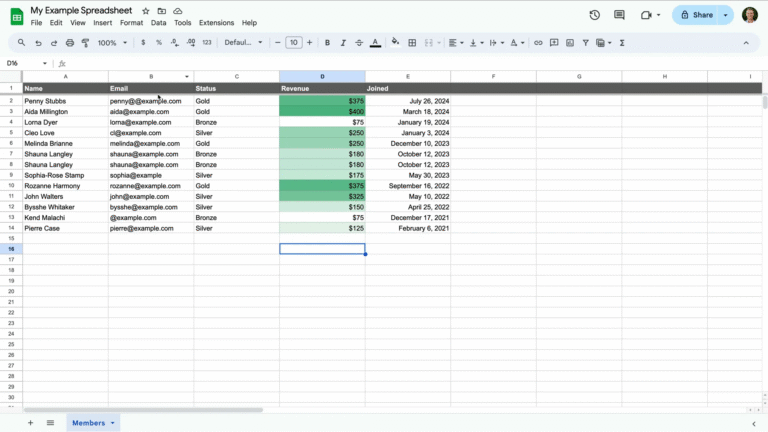
So How do I Manage Influencer Payments as we Scale?
Phase 1: Start with a spreadsheet to track creators, rates, invoices, deliverables, usage rights, and payments.
Phase 2: Use affiliate software to track sales and automate commission calculations and payouts.
Phase 3: Use a dedicated payment platform like GoMarketish Transactions to manage invoices and payments at scale, especially for international campaigns.
Before agreeing to a deal, clarify usage rights, exclusivity, deliverables, payment terms, and deadlines.
If a creator says no or their rate is outside your budget, don’t stop there. GoMarketish’s influencer discovery platform gives you access to 10M+ creators, so you can keep discovering new partners, comparing rates, and finding creators who fit your campaign and budget.
We Make The Difference.
GoMarketish Team