
Mastering Long-Term Influencer Partnerships: Pros, Pitfalls & Proven Best Practices
- 14 mins
This article is primarily focused on the practical side of long-term influencer partnerships – how to build and manage them successfully, not just why they’re worth considering.
Before we dive into the tactics, though, it’s worth taking a couple of minutes to look at the key benefits and challenges of long-term partnerships.
After all, they’re not the right fit for every brand or every campaign, and it’s important to understand the trade-offs before committing.

The Advantages
• Authenticity and credibility. Long-term partnerships feel more genuine because audiences see the creator consistently using and talking about the brand over time. It comes across as a real endorsement rather than a one-off sponsored post.
• Unique creative opportunities. Some types of content simply aren’t possible with short-term collaborations. Long-term partners can document an ongoing journey – whether that’s tracking the results of a supplement over six months, sharing progress with a fitness program, or showing how a product fits into their daily routine over time.
• Cost efficiency. Committing to a longer-term partnership often gives you more negotiating power, leading to lower rates per piece of content or better overall value.
• Time efficiency. As the relationship develops, collaborations become easier to manage. The creator already understands your brand, and you understand their audience and content style. That means less back-and-forth on creative feedback and less time spent sourcing and onboarding new influencers.
• Greater predictability. After a few campaigns, you’ll have a solid understanding of what a creator can deliver. That makes it much easier to forecast performance, set realistic expectations internally, and plan future campaigns with confidence.

The challenges
There are plenty of compelling reasons to invest in long-term influencer partnerships. But like any marketing strategy, they’re not the right fit for every brand. The right approach depends on factors like your team size, budget, product, and campaign goals.
One of the biggest challenges is creative fatigue. It’s not uncommon for long-term partnerships to follow a pattern like this:
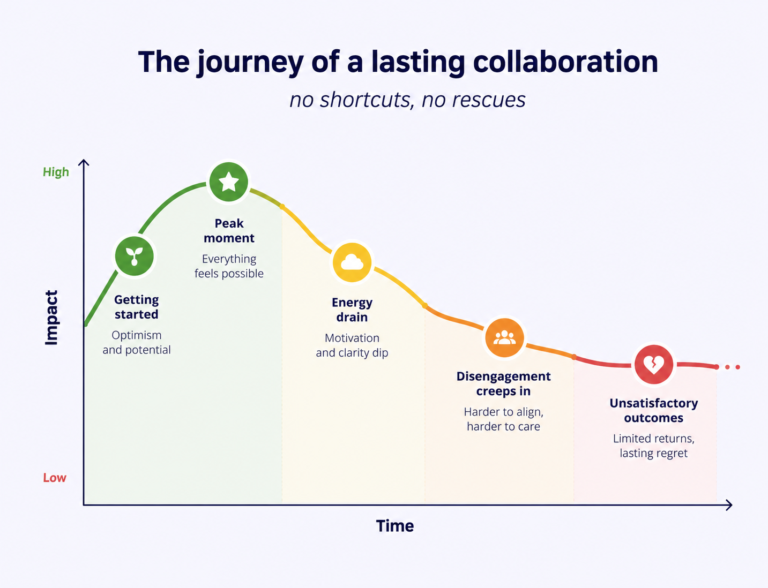
Over time, it can become harder for creators to come up with fresh content ideas. As the creative starts to feel repetitive, audiences may become less engaged with branded content. And if you only have a small product range, you can eventually exhaust the audience altogether – they’ve either already bought the product or decided it’s not for them.
Other challenges to consider include:
• It’s harder to change course. Unlike paid ads, you can’t simply switch off a long-term influencer partnership. If you’ve signed a 12-month agreement and things aren’t working out, your options are much more limited.
• Your brand may evolve. Especially for early-stage companies, your ideal customer profile, positioning, or messaging can change quickly. Long-term contracts can make it harder to adapt as your business evolves.
• They require ongoing management. As your roster of long-term partners grows, so does the time required to manage relationships, review content, coordinate campaigns, and keep creators engaged. At some point, you’ll likely need dedicated headcount.
• You’ll reach fewer new audiences. Every dollar invested in existing partners is a dollar that isn’t being spent testing new creators. While long-term partnerships deepen trust with existing audiences, they can reduce your overall reach if you rely on them too heavily.
The good news is that most of these challenges can be managed with the right approach.
So let’s get into the fun part – how to build and run successful long-term influencer partnerships.
Don't Skip the Trial Period (Here's Why)
Influencer partnerships aren’t like paid ads – you can’t simply switch them off if they’re underperforming. Before committing to a long-term agreement, it’s worth running a trial period to make sure the partnership is a good fit for both sides.
Position the Trial as a Win-Win
Be transparent about why you’re testing the relationship. Explain that a trial helps both the brand and the creator evaluate whether they’re a good long-term match. Framing it as the first step toward a longer partnership can also make the opportunity more appealing.
What Does a Trial Look Like?
There’s no single right approach, but most brands keep trial periods short – typically one to three months.
A common structure is to:
• Send the creator your product.
• Agree on one or two deliverables per month, tailored to their strongest content format.
• Measure content quality, engagement, audience response, communication, and overall fit.
• Decide whether to extend the partnership based on performance and budget.
Some brands start with a single campaign before committing to additional activations, while others gradually increase the partnership over several months. The exact format matters less than having a clear evaluation process.
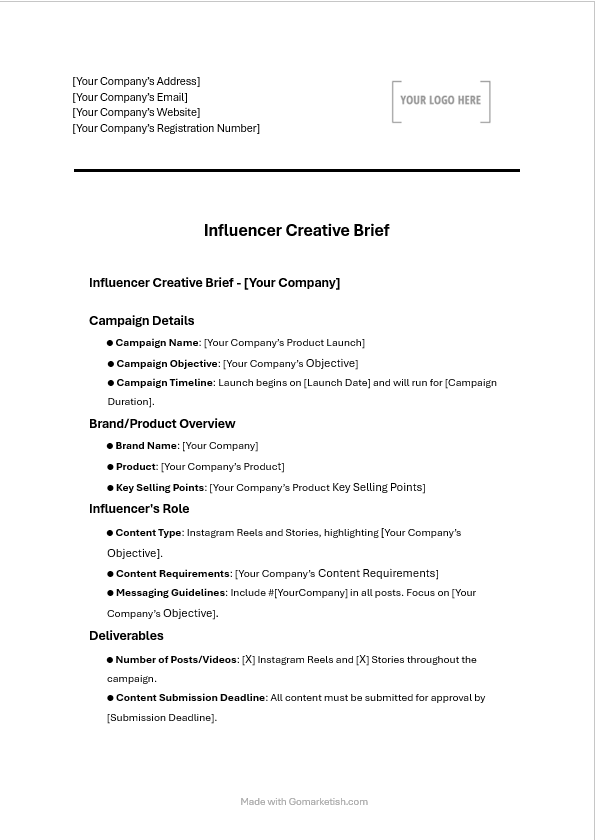
The goal isn’t just to measure performance – it’s to find creators who are reliable, easy to work with, and a genuine fit for your brand.
Long-Term Doesn't Have to Mean 12 Months
A long-term partnership doesn’t necessarily require a long-term contract.
If you’re concerned that a creator’s audience might change, your brand positioning could evolve, or you simply want more flexibility, consider shorter agreements – for example, three months at a time.
The trade-off is that longer contracts often come with better rates, as creators tend to increase their pricing as they grow.
There’s no universal right answer. Choose a contract length that balances flexibility, cost, and your confidence in the partnership.
Keeping Audiences Engaged
Even if a creator is still enthusiastic about your brand, their audience can eventually become saturated. Over time, followers are likely to have seen your product multiple times – they’ve either already converted or decided it isn’t for them.
This is especially common if you only have a small product range. Sometimes, the right decision is to pause the partnership. But before you do, there are a few ways to keep things fresh.
1. Partner with fast-growing creators
Creators who consistently attract new followers are less likely to hit audience saturation. A growing audience means your brand is continually being introduced to new people, extending the lifespan of the partnership.
2. Refresh the creative angle
Audiences rarely get tired of a brand – they get tired of hearing the same message.
As the partnership matures, encourage creators to explore new storylines, highlight different product benefits, or share their long-term experience with the product. Fresh creative keeps content engaging, even when promoting the same brand.
3. Amplify top-performing content with paid ads
If a creator’s organic reach starts to plateau but their content continues to perform well, consider putting paid media behind it.
Long-term partners already understand your brand and know what resonates with their audience, making their content a strong candidate for amplification. It can also be easier to negotiate usage rights when you’ve built an ongoing relationship.

Keeping Creators Engaged
One of the biggest risks with long-term partnerships is that content starts to feel repetitive. A creator who was highly motivated at the start of the partnership may eventually run out of fresh ideas, leading to weaker content and lower engagement.
The good news is that creative fatigue is often preventable.
1. Space out your activations
Long-term doesn’t have to mean posting every month. Instead, activate creators around key moments – such as product launches, seasonal campaigns, or major promotions. Posting less frequently can help keep both creators and their audiences engaged.
2. Give creators better creative input
Don’t assume creators will come up with fresh ideas on their own. Regularly share product updates, campaign ideas, customer insights, and creative feedback to inspire new content. The best partnerships combine the creator’s audience expertise with your knowledge of the brand.
3. Reward great performance
If motivation starts to dip, consider adding incentives beyond a flat fee. Performance bonuses, event invitations, exclusive product launches, or other rewards can encourage creators to keep producing their best work throughout the partnership.

Keeping Track of Live Influencer Content
Tracking performance is one thing. But before you can measure results, you need to know whether creators have actually published their agreed deliverables.
As your roster of long-term partners grows, staying on top of live content becomes increasingly difficult.
If you’re managing a small program, a simple spreadsheet or calendar is often enough. Record each creator’s posting dates so you know when to check content, approve deliverables, or follow up if something is missing.
As your program scales, manual tracking becomes more time-consuming. That’s where influencer tracking software can help by automatically collecting posts, Reels, Stories, TikToks, and other campaign content into a single dashboard.
Whichever approach you choose, the goal is the same: make it easy to see what’s gone live, identify missing deliverables, and keep campaigns running smoothly.
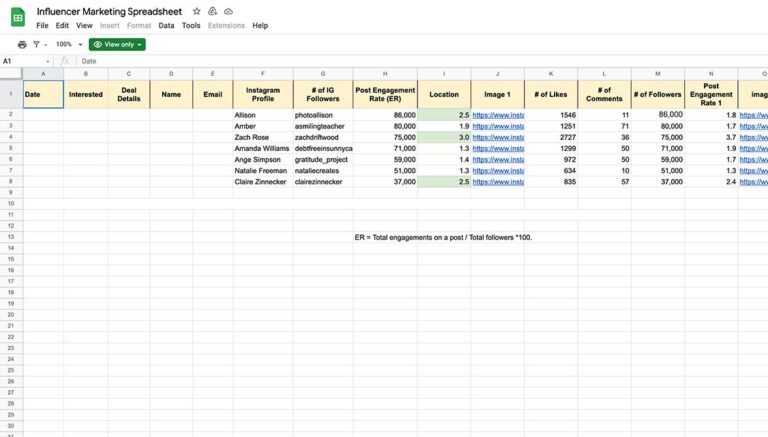
Managing a Growing Creator Portfolio
One of the biggest challenges of scaling an influencer program is maintaining strong relationships as your roster grows.
The good news is that long-term partnerships typically become easier to manage over time. Once creators understand your brand, processes, and expectations, there’s less onboarding, fewer creative revisions, and less day-to-day communication.
Here are a few ways to stay organized as you scale:
1. Prioritize your long-term partners
Your existing partners are some of your most valuable creator relationships. Make time to nurture them rather than focusing all your attention on recruiting new influencers.
2. Create dedicated workflows
As your program grows, separate new creator recruitment from relationship management whenever possible. If you don’t have multiple team members, block dedicated time in your calendar for recurring tasks like approvals, creator communication, reporting, and outreach.
3. Keep a consistent point of contact
Whenever possible, have the same person manage a creator throughout the partnership. Consistent communication builds trust, creates a better experience for creators, and makes collaborations more efficient over time.

How to Identify Influencers for Long-Term Partnerships
Long-term partnerships only work if you have the right creators to begin with.
Successful influencer programs usually combine multiple sourcing methods, but the two most common approaches are:
1. Browse directly on social media
The simplest way to find creators is by searching directly on platforms like Instagram and TikTok.
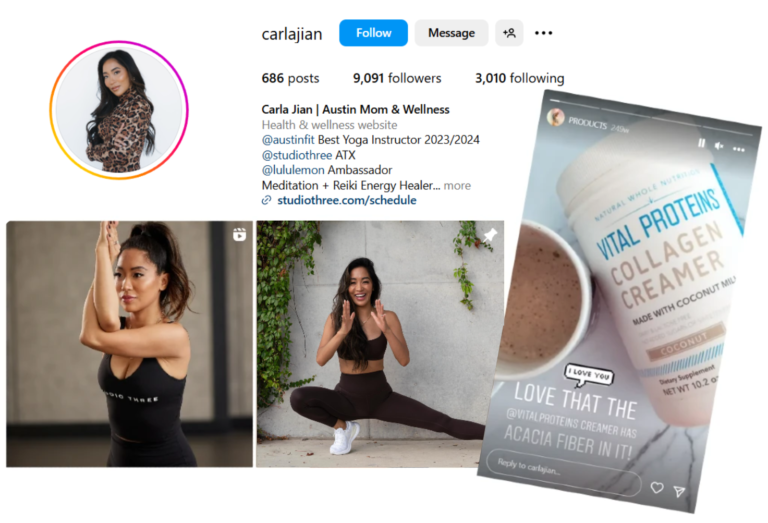
For smaller programs, this is often the best place to start. Spend time engaging with content in your niche and training your own algorithms to surface relevant creators. Follow industry accounts, interact with posts, and pay attention to who consistently creates high-quality content.
2. Use influencer discovery tools
When you need to find creators at scale, influencer search tools can save a huge amount of time.
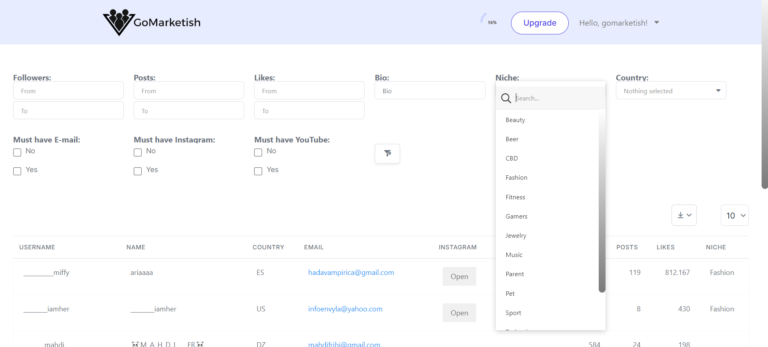
Platforms like GoMarketish allow you to filter creators based on criteria like audience demographics, engagement, and content style. Instead of manually searching through thousands of profiles, you can quickly identify creators who match your requirements and analyze their fit before reaching out.
The key is to combine efficient discovery with careful evaluation. Finding creators is only the first step – the goal is to find partners who can build a genuine, long-term relationship with your brand.
The biggest thing I’ve learned from speaking with so many influencer marketing professionals is that long-term partnerships are built on trust. The contracts and processes matter, but the real magic comes from finding creators you genuinely enjoy working with and building something together.
Thanks for reading. I hope you found a few ideas you can put into practice – and I’d love to hear what’s working (or not working) in your own influencer partnerships.
We Make The Difference.
GoMarketish Team