
7 Things to Include in an Influencer Contract (+Free Template)
- 10 mins
Having an influencer contract is a great thing:
• It protects both you and the creator
• It clearly outlines expectations
• It provides guidance on what to do if something goes wrong
But how do you build a strong contract? What terms are essential, and how can you simplify the process of creating and managing them? This guide covers:
• When a full contract is necessary vs. when a simple written agreement works
• Key terms every influencer contract should include
• Ways to reduce the admin work involved in drafting and signing contracts
This content is for general guidance only and shouldn’t be considered legal advice. It’s always a good idea to have a legal professional review your contracts to make sure everything is properly covered. 🙂

When a Formal Contract Might Not Be Necessary
While contracts are ideal for many collaborations, they can sometimes slow down the process. In certain situations, a written agreement or basic terms may be enough.
1. Affiliate or Ambassador Programs
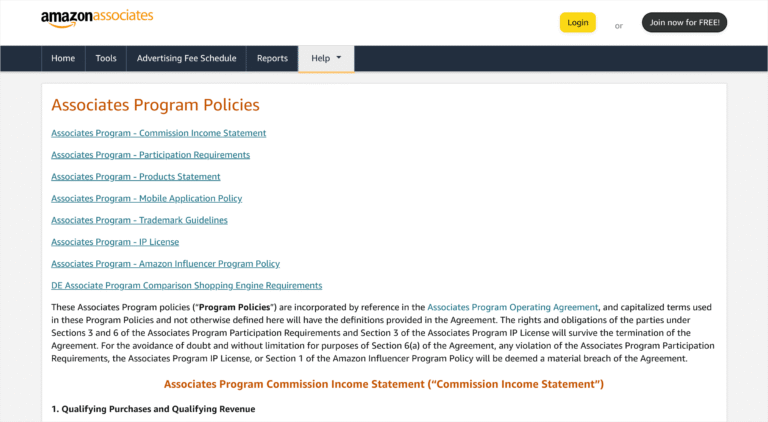
When running a large ambassador or affiliate program, managing individual contracts for every creator can become unnecessary and time-consuming. Instead, many brands create a public Terms and Conditions page that outlines the rules of the program.
Creators agree to these terms when they join, which makes it easier to scale the program and focus on growing brand awareness without the administrative work of signing contracts with everyone.
2. Product Gifting or Trial Collaborations
If you’re sending products without paying a fee, or testing a short-term collaboration with a new creator, a full contract may not always be needed. Many brands simply agree on deliverables through a short written agreement or message.
This approach allows you to test the partnership first. If the collaboration goes well and you decide to work together long term, you can then introduce a formal contract to define the relationship more clearly.
Why Influencer Contracts Are Still Valuable
Even though there are cases where you might skip them, contracts are still extremely useful. They protect both sides, clearly outline expectations, and explain what happens if something doesn’t go as planned.
A good influencer contract should help you:
• Define responsibilities and deliverables
• Set clear expectations for the collaboration
• Reduce misunderstandings between the brand and the creator
You can also streamline the process by using templates and simple workflows so creating and signing contracts doesn’t become a bottleneck.

7 key components every influencer contract needs
1. Content Deliverables
Start by clearly defining what the influencer is expected to produce. This includes the type of content (posts, stories, videos, reels, blogs, etc.), the number of pieces, deadlines, and which platforms the content should appear on. The more specific you are here, the less room there is for misunderstandings later. Consider including style or creative guidelines if your brand has a particular aesthetic or tone.
2. Campaign Guidelines and Brand Expectations
Beyond just the content itself, outline how the influencer should represent your brand. This section can include key messaging points, tone of voice, hashtags, handles, or any content restrictions. The goal is to give creators clear guardrails while still leaving room for their authentic style.

3. Payment and Compensation Terms
Detail exactly how and when the influencer will be compensated. Include the total fee, payment schedule, payment method, and any conditions for payment (e.g., completion of deliverables). If the collaboration is product-based instead of monetary, make it clear what’s being provided and the approximate value. Clarify whether expenses like travel or production costs are reimbursed.
4. Usage Rights and Content Licensing
If you plan to use the influencer’s content beyond their own channels (such as in ads, social media campaigns, or on your website) this section should explain exactly how, where, and for how long the content can be used. Specify if the license is exclusive or non-exclusive and whether the content can be modified or repurposed.

5. Disclosure and Compliance Requirements
Make sure the contract includes rules around proper disclosure. Influencers are legally required to be transparent about sponsored content, so this section should remind them to follow relevant advertising guidelines, platform policies, and FTC rules. Specify how the disclosure should appear (e.g., hashtags, tags, or on-screen text).
6. Exclusivity or Non-Compete Terms
If you want the influencer to avoid promoting competitors during or around the campaign period, define these restrictions clearly. Include the duration of the exclusivity and which categories or specific competitors are included. If there are exceptions, outline those as well.

7. Cancellation, Termination, and Issue Resolution
Even the best partnerships can run into issues. This section should explain what happens if the collaboration is canceled, delayed, or if deliverables aren’t met. Include details about refunds, returned products, content removal, or other remedies. Setting these expectations upfront helps prevent misunderstandings and ensures both parties know how to handle potential conflicts.

Your Go-To Influencer Contract Template (And How to Use It)
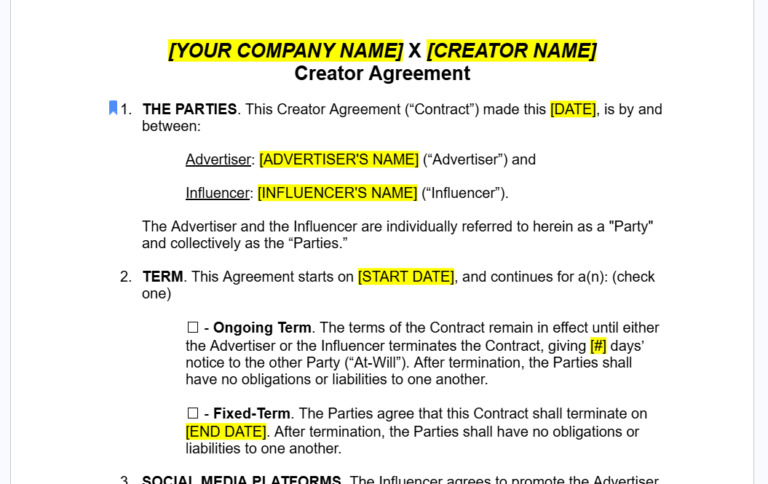
This influencer contract template covers all the key sections you need to create a strong, clear agreement with your creators. That said, it’s a good idea to have your legal team review it quickly – just to make sure nothing is missing, wording isn’t ambiguous, and all your brand details are accurate. Remember, this template is not legal advice.
Signing the Contract Is Just the First Step
A contract sets the foundation, but it isn’t a substitute for clear communication. Many creators skim contracts and sign quickly just to move forward. That’s why it’s important to continue discussing the details outside of the document (like deliverables, content scope, expectations, and usage rights).
Once the contract is in place, your focus shifts to building strong creator relationships. Provide guidance, give actionable feedback, and collaborate closely. A solid contract protects both sides, but it’s your ongoing communication and support that turn agreements into successful partnerships – and ultimately improve your results.
We Make The Difference.
GoMarketish Team